Empowering AI for CBSE Students Exam Preparation**
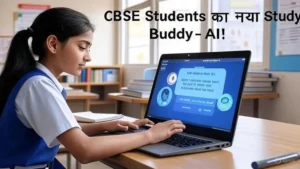
Artificial Intelligence (AI) is revolutionizing education, offering innovative tools to enhance learning With the Central Board of Secondary Education (CBSE) curriculum being vast and competitive, AI-powered solutions are helping students prepare more effectively for exams. From personalized study plans to interactive learning platforms, AI is transforming the way CBSE students approach their studies, making preparation more efficient and engaging. This article explores how AI can empower CBSE students in their exam preparation journey, focusing on tools, benefits, and practical applications.
Why AI Matters for CBSE Students
Addressing the Needs of CBSE Students
The CBSE curriculum, known for its rigor and comprehensive syllabus, demands structured preparation. CBSE students often face challenges like managing time, understanding complex concepts, and practicing enough to excel in board exams. AI addresses these challenges by offering tailored solutions that cater to individual learning styles and pace. With AI, can access resources that adapt to their strengths and weaknesses, ensuring a more targeted approach to exam preparation.
The Role of Technology in Modern Education
Technology has become a cornerstone of education, and AI is at the forefront of this transformation. For CBSE students, AI tools provide access to vast repositories of study material, practice questions, and performance analytics. These tools analyze a student’s progress, identify gaps, and recommend strategies to improve, making exam preparation more data-driven and effective.
Why AI Matters for CBSE Students
Personalized Learning Platforms
AI-driven platforms like adaptive learning systems create customized study plans. These platforms analyze a student’s performance in subjects like Mathematics, Science, or Social Studies and suggest topics that need more focus. For instance, if a student struggles with algebra, the platform may recommend specific video tutorials, practice questions, or interactive quizzes to strengthen that area. Popular platforms like BYJU’S and Vedantu use AI to deliver personalized content aligned with the CBSE curriculum.
Smart Tutoring Systems
AI-powered tutoring systems act as virtual teachers. These systems use natural language processing (NLP) to answer questions, explain concepts, and provide step-by-step solutions. For example, a student preparing for Class 10 Science can ask an AI tutor to explain Newton’s laws or chemical reactions, receiving instant, easy-to-understand responses. This immediate feedback helps clarify doubts without waiting for a teacher or coaching class.
Practice and Mock Tests
One of the most significant advantages of AI is the availability of adaptive practice tests. AI algorithms generate question sets based on the student’s proficiency level, gradually increasing difficulty as they improve. These tests simulate the exam pattern, helping students get accustomed to the format and time constraints. Platforms like Embibe and Toppr provide AI-driven mock tests that offer detailed performance analysis, highlighting areas where improvement is needed.
Study Material Recommendations
AI tools can recommend high-quality study resources, such as NCERT solutions, sample papers, and reference books, tailored to the CBSE syllabus. By analyzing a student’s learning history, these tools suggest materials that align with their current preparation level. For CBSE students, this means spending less time searching for resources and more time studying effectively.
Benefits of AI for CBSE Students
Enhanced Time Management
Time management is critical for CBSE students preparing for board exams or competitive tests like NTSE and Olympiads. AI tools help students create schedules that allocate time to each subject based on their proficiency and exam weightage. For instance, if a student is strong in English but weak in Mathematics, the AI can prioritize Math practice while maintaining a balanced study plan.
Improved Understanding of Concepts
AI-powered platforms break down complex CBSE topics into manageable parts. Interactive videos, animations, and simulations make abstract concepts in subjects like Physics or Chemistry more relatable. For example, an AI tool might use 3D models to explain molecular structures, helping CBSE students visualize and understand better.
Real-Time Progress Tracking
AI provides CBSE students with real-time insights into their performance. Analytics dashboards show metrics like accuracy, speed, and topic-wise strengths, enabling students to track their progress over time. This data-driven approach helps CBSE students focus on weak areas and measure their readiness for exams.
Motivation and Engagement
AI tools often incorporate gamification elements, such as rewards, badges, and leaderboards, to keep CBSE students motivated. For instance, completing a set of practice questions might earn points that unlock advanced lessons. This gamified approach makes studying enjoyable, reducing the stress associated with exam preparation.
Challenges and Considerations for CBSE Students Using AI
Access to Technology
While AI offers immense benefits, not all CBSE students have access to the necessary devices or internet connectivity. Students in rural areas or from economically disadvantaged backgrounds may face challenges in adopting AI tools. Schools and policymakers must work to bridge this digital divide to ensure equitable access for all CBSE students.
Over-Reliance on AI
Another concern is the potential for CBSE students to become overly dependent on AI tools. While these platforms enhance learning, students must also develop critical thinking and problem-solving skills independently. Balancing AI assistance with traditional study methods is key to holistic preparation.
Data Privacy and Security
AI platforms collect vast amounts of data on CBSE students’ learning habits and performance. Ensuring that this data is secure and used ethically is crucial. Parents and students should choose reputable platforms that comply with data protection regulations to safeguard personal information.
Practical Tips for CBSE Students Using AI Tools
Choose the Right Platform
CBSE students should select AI platforms that align with the CBSE curriculum and offer features like NCERT-based content, mock tests, and performance analytics. Reading reviews and trying free trials can help identify the best tools.
Set Clear Goals
To maximize the benefits of AI, CBSE students should set specific goals, such as improving their score in a particular subject or mastering a challenging topic. AI tools can then tailor content to help achieve these goals.
Combine AI with Traditional Methods
While AI is powerful, combining it with traditional study methods like group discussions, handwritten notes, and textbook reading can enhance understanding. For example, CBSE students can use AI for practice tests and NCERT textbooks for in-depth study.
Stay Consistent
Consistency is key to exam success. CBSE students should use AI tools regularly, following their personalized study plans and tracking progress to stay on course.
The Future of AI in CBSE Exam Preparation
Integration with CBSE Curriculum
As AI technology advances, we can expect deeper integration with the CBSE curriculum. Future AI tools may offer real-time syllabus updates, predictive analytics for exam trends, and even virtual reality (VR) experiences for immersive learning. For CBSE students, this means more dynamic and engaging ways to prepare for exams.
AI in Competitive Exams
Beyond board exams, AI can help CBSE students prepare for competitive exams like JEE, NEET, and NTSE. AI platforms can analyze past papers, predict question patterns, and provide targeted practice, giving students a competitive edge.
Collaboration with Teachers
AI is not a replacement for teachers but a complement. In the future, CBSE teachers may use AI to monitor student progress, identify struggling students, and provide personalized guidance. This collaboration can create a more supportive learning environment for CBSE students.
Conclusion
AI is a game-changer for CBSE students, offering personalized, efficient, and engaging ways to prepare for exams. From adaptive learning platforms to smart tutoring systems, AI tools empower students to overcome challenges and excel in their studies. However, CBSE students must use these tools wisely, balancing technology with traditional methods and addressing challenges like access and data privacy. By leveraging AI effectively, CBSE students can unlock their full potential, making exam preparation not just manageable but also enjoyable. As AI continues to evolve, its role in shaping the future of CBSE education will only grow, paving the way for smarter, more inclusive learning experiences.
🔥 Bonus Tip:
So, leave a comment or follow the site! If you want to know more about AI tools like this and read more posts, click the button below (thank you)!